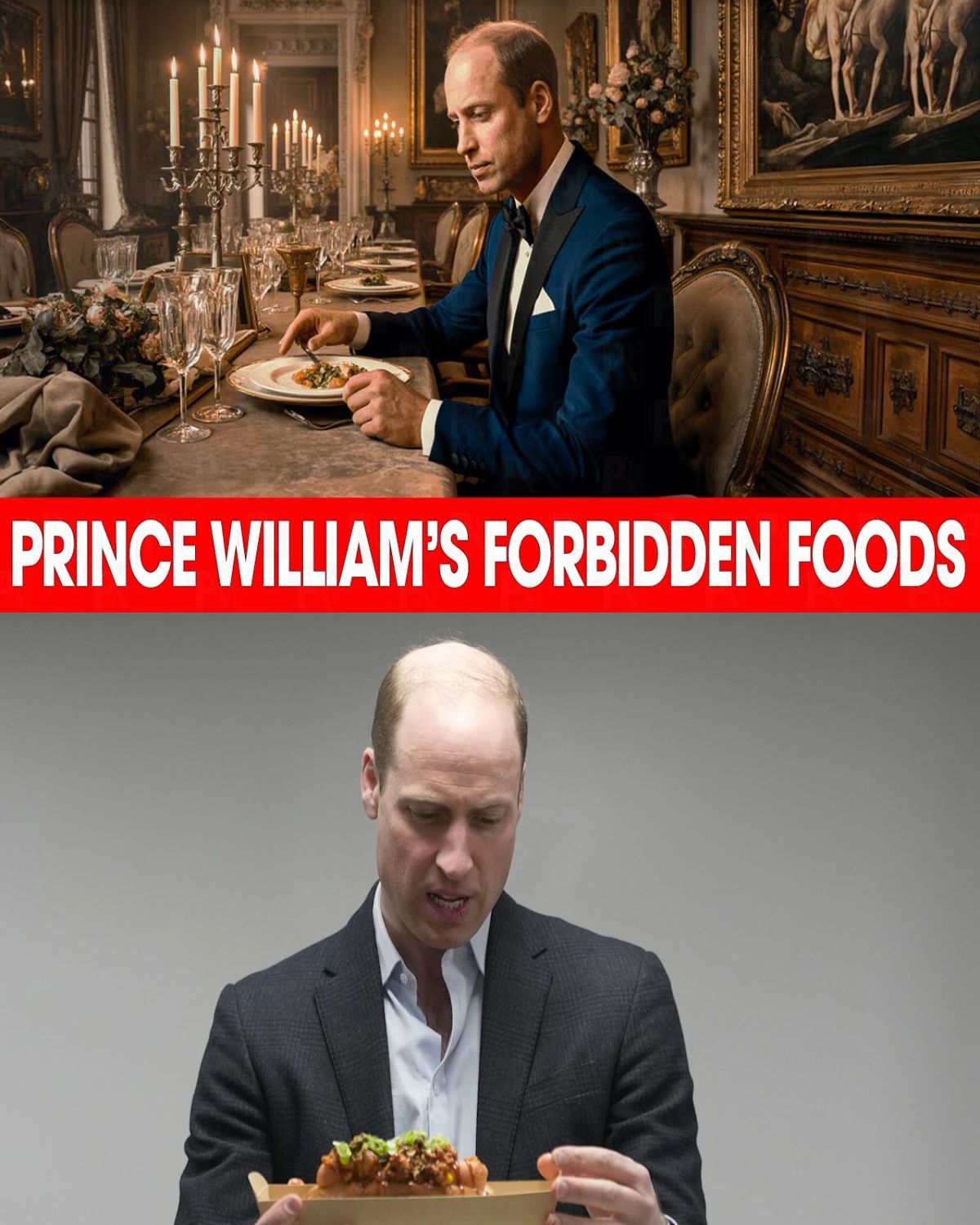
Prince William has stunned royal watchers with his surprising aversions to certain foods, revealing a palate that diverges sharply from traditional royal fare. In a recent exposé, insiders have disclosed that the Duke of Cambridge has a strict no-shellfish policy, primarily due to health concerns surrounding food poisoning. This revelation not only highlights the prince’s cautious approach to dining but also underscores the broader implications of tradition and safety within the royal family. The British monarchy has long been steeped in history and tradition, especially when it comes to culinary choices. However, Prince William’s refusal to indulge in shellfish, a delicacy often seen as a symbol of luxury, raises eyebrows. This aversion is not merely a personal preference; it stems from a deep-rooted concern for food safety that has been passed down through generations.
Sources close to the royal family reveal that shellfish is particularly susceptible to contamination, prompting the palace to exercise extreme caution in meal preparations. The fear of food poisoning is a significant factor in the royal kitchen, where every dish is meticulously planned with the health of the royals in mind.
But shellfish is not the only item on Prince William’s no-go list. The prince reportedly shuns tomato soup, which many consider a comfort food staple. This choice is linked to the dish’s perceived association with lower-class dining, as well as the potential for messy spills that could tarnish his royal attire. Garlic and strong aromatics are also off the menu for William, who is mindful of his public persona. The prince recognizes that scents can leave lasting impressions, and he prefers to maintain a fresh and sophisticated aura, especially during official engagements.
In a surprising twist, the heir apparent has taken a stand against foie gras, a luxury delicacy that raises ethical concerns. Prince William’s commitment to animal welfare aligns with his public advocacy for conservation, making this choice a reflection of his values rather than mere culinary preference.
Raw fish and sushi, once a trendy option among royals, are also largely avoided by the prince. The risk of foodborne illness remains a significant deterrent, especially during travel, where the stakes are higher.
Even in the realm of beverages, Prince William exercises caution. He prefers to steer clear of high-caffeine drinks, opting instead for tea, which he believes promotes clarity and calmness—a necessity for his demanding royal duties.
Interestingly, the prince’s dietary restrictions extend to starchy foods as well. Pasta and rice are seldom seen on his plate, as he aims to maintain a healthy lifestyle that befits his royal responsibilities. Even the humble sandwich is subject to royal scrutiny. Prince William insists on square sandwiches, a choice steeped in tradition that reflects the need for decorum at royal dining tables.
Ultimately, these culinary choices reveal a complex interplay between personal preference, royal tradition, and public perception. As Prince William navigates the challenges of modern monarchy, his dietary decisions serve as a fascinating lens through which to view his character and values.
Will the prince ever indulge in a cheat day, breaking free from the constraints of tradition? Only time will tell, but for now, William remains steadfast in his commitment to a royal diet that prioritizes health, ethics, and decorum. What do you think of his choices? Join the conversation in the comments below.