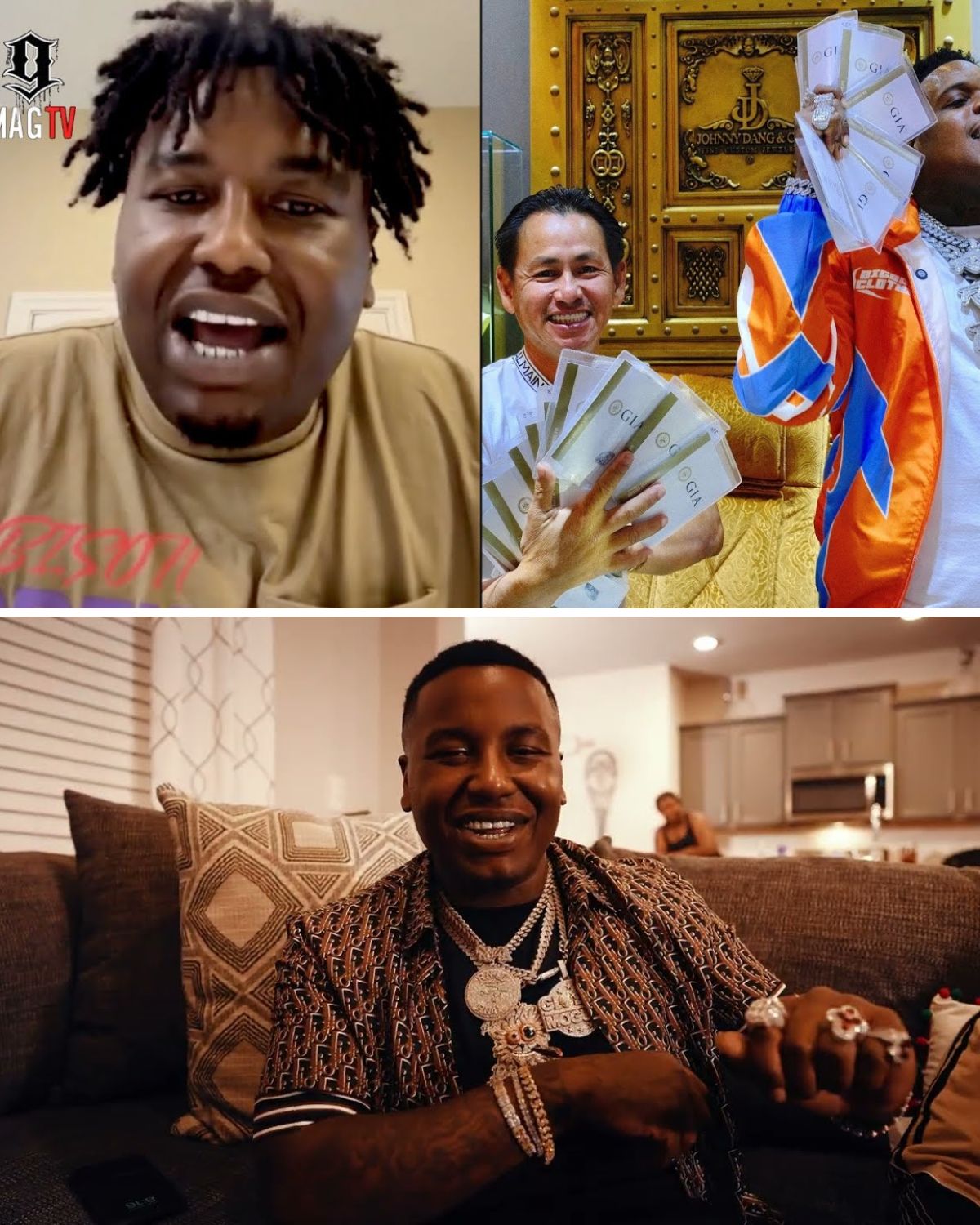
Alabama rapper HoneyKomb Brazy has been released from federal custody, delivering a fiery and chaotic first statement from freedom that alleges deep betrayal, industry infiltration, and a family torn apart by alleged informants. The artist, whose legal name is Nashon Jones, completed a 60-day stint in a halfway house following a prison sentence and unleashed a torrent of claims in a raw, expletive-laden video posted immediately upon his release.

His monologue paints a picture of a man returning to a world he perceives as fundamentally compromised. Central to his narrative is a blistering accusation against his own younger brother, whom he claims sold his jewelry, including a valued “cash money ring,” for a fraction of its worth to celebrity jeweler Johnny Dang while Brazy was incarcerated. The alleged betrayal extends to other possessions mysteriously disappearing from his home, framing a theme of exploitation during his confinement.
Beyond personal theft, Brazy’s anger is sharply focused on the concept of betrayal at the highest levels. He repeatedly uses the term “rat,” alleging that informants have infiltrated not just his personal circle and neighborhood, but the music industry itself. He describes a desperate attempt to escape street conflicts only to find what he characterizes as even larger “rats” operating with impunity in the entertainment world. “That rat look like a possum,” he stated, emphasizing his view of the scale of the alleged deceit.
The rapper’s grievances take a deeply personal turn as he recounts recent family turmoil surrounding the death of his grandmother and an uncle. He alleges his uncle was seen consorting with a known informant, an act Brazy frames as the ultimate disrespect to his grandmother’s memory. This familial fracture leads him to a stark declaration: he has effectively severed ties with his entire paternal family, expressing no remorse over his uncle’s subsequent passing due to the alleged betrayal.
Throughout the video, Brazy vehemently asserts his own authenticity and code, drawing a hard line against any association with informants. “Real is real. Fake is fake,” he insists, positioning himself as a holdout of a fading ethos. He dismisses any nuanced discussion of cooperation with law enforcement, stating plainly, “When you rat, you rat. That what it is.” This stance is presented as non-negotiable, a core principle he claims to have maintained even at great personal cost.
He also detailed the logistical hustle of his final days under supervision, claiming he used a brief two-hour pass from the halfway house not for personal errands, but to film multiple music videos, demonstrating a relentless drive to re-engage with his career. This anecdote underscores a narrative of perseverance and hustle amidst systemic and personal obstacles.
The release video serves as a chaotic manifesto, signaling Brazy’s immediate return to the public sphere with unchecked aggression and a clear set of enemies, both personal and abstract. It frames his upcoming career chapter not as a fresh start, but as a continued war on multiple fronts—legal, familial, and industrial. The rapper’s promise to “show you little boy how to do it” and his declaration of being “on demon time” suggest his content and public persona will be fueled by these recent experiences of confinement and alleged betrayal.

Legal observers note that such public, accusatory statements, while powerful artistically, can carry significant risk, potentially complicating ongoing legal matters or probationary terms. The video’s allegations, particularly the detailed story involving his brother and the jeweler, have ignited fervent discussion across social media, with fans and commentators dissecting the claims for verification and implication.
Industry analysts point to the video as a potent example of the blurred line between street narrative and promotional strategy in certain hip-hop genres. Brazy’s unfiltered delivery and specific, real-world accusations are calculated to resonate with a core audience that values perceived authenticity and lived experience, potentially galvanizing his fanbase as he re-enters the music market.
The emotional core of the tirade reveals a profound sense of isolation. Brazy repeatedly states he is “in my own little world,” having been “crossed out by everybody,” and wants “no home” and “no friend.” This portrayal of solitary resilience against a backdrop of pervasive betrayal completes the picture of an artist who views his freedom not as a relief, but as the next phase of a relentless struggle for respect and survival in an environment he no longer trusts.